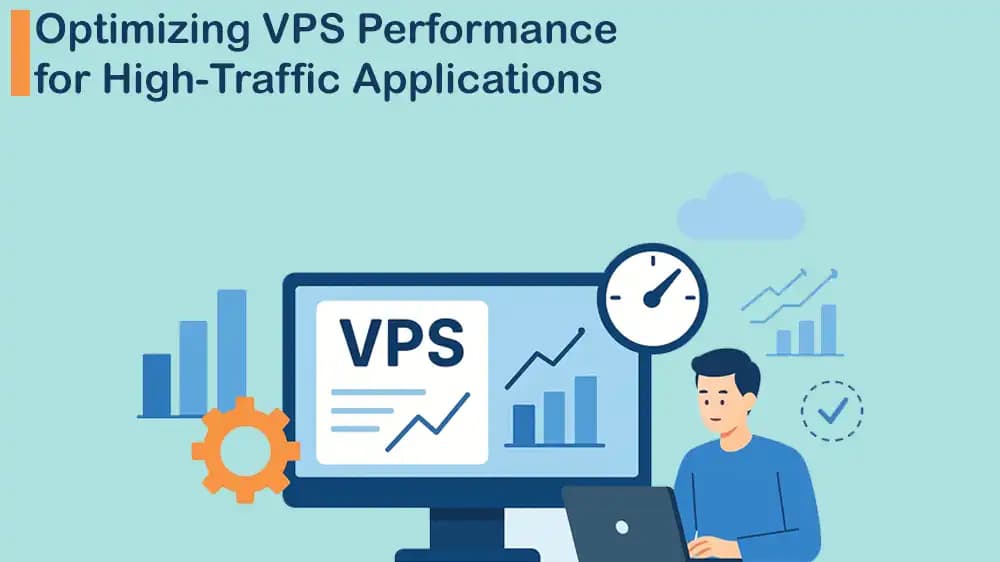
Performance & Scaling is a tutorial category for anyone who wants to make servers, websites, applications, and online services faster, more stable, and ready for growth.
A server may work well when it has a few visitors or runs a small application. However, as traffic increases, databases grow, more containers are added, or users expect faster response times, the server can become slow. Pages may take longer to load, APIs may time out, applications may run out of memory, and services may stop responding.
This category helps you find the cause of these problems and improve your infrastructure step by step. The tutorials focus on real-world performance work, from checking basic resource usage to planning a larger setup for a growing project.
It is useful for developers, startup teams, website owners, system administrators, and businesses running services on VPS hosting, dedicated servers, or GPU machines.
What You Will Learn
The guides in this category explain the main resources that affect server performance. You will learn how CPU, RAM, storage, network speed, and server location work together.
- CPU power affects how quickly the server can process requests and run applications.
- RAM allows the server to keep active processes and data available without relying too heavily on slower disk storage.
- Fast NVMe storage improves database performance, file access, application loading, and container operations.
- Network capacity and location affect how quickly users can connect to your services.
The tutorials will show you how to monitor these resources and find the real reason for slow performance. You may learn to use tools such as top, htop, free, df, iostat, vmstat, ss, and iftop to check CPU use, memory use, storage activity, open connections, and network traffic.
For example, high CPU use may point to an application process that needs tuning. Low free memory may show that the server needs more RAM. Slow storage activity can affect a database or file-heavy application. Finding the real problem first helps you avoid spending money on the wrong upgrade.
Improve Server Speed
This category includes tutorials for making Linux servers and hosted applications run faster. You will learn how to remove unused services, manage background jobs, improve web-server settings, and tune database connections.
Some guides may cover Nginx or Apache performance, PHP-FPM worker settings, database query optimisation, Redis caching, Docker resource limits, and content delivery methods. You may also learn how to improve application response times with caching, compression, proper connection settings, and fast storage.
PerLod offers VPS plans with full root access, NVMe storage, scalable resources, and global data-centre locations, which can support these kinds of performance improvements.
The tutorials will also explain why storage type matters. NVMe drives are usually faster than traditional hard drives and can improve workloads that read or write data often. This is especially useful for databases, busy websites, CI/CD systems, container hosts, and applications that work with many files.
Monitor Before Problems Grow
Good performance work starts with monitoring. A service can look healthy today but slowly use more CPU, memory, storage, or network capacity as usage increases.
In this category, you will learn how to monitor server health and set useful limits before a small issue becomes an outage. Tutorials can cover uptime checks, CPU and RAM alerts, disk-space alerts, log monitoring, and application metrics.
You will learn what warning signs to watch for, including:
-
CPU staying near its maximum level
-
RAM running low or frequent swap use
-
Storage filling up because of logs, backups, or data
-
Slow disk reads and writes
-
High database connection counts
-
Large network traffic spikes
-
Slow response times during busy periods
-
Repeated application errors or restarts
These checks help you decide whether to tune the current server, clean up unused data, add caching, move a service, or upgrade to a stronger plan.
Scale Your Infrastructure
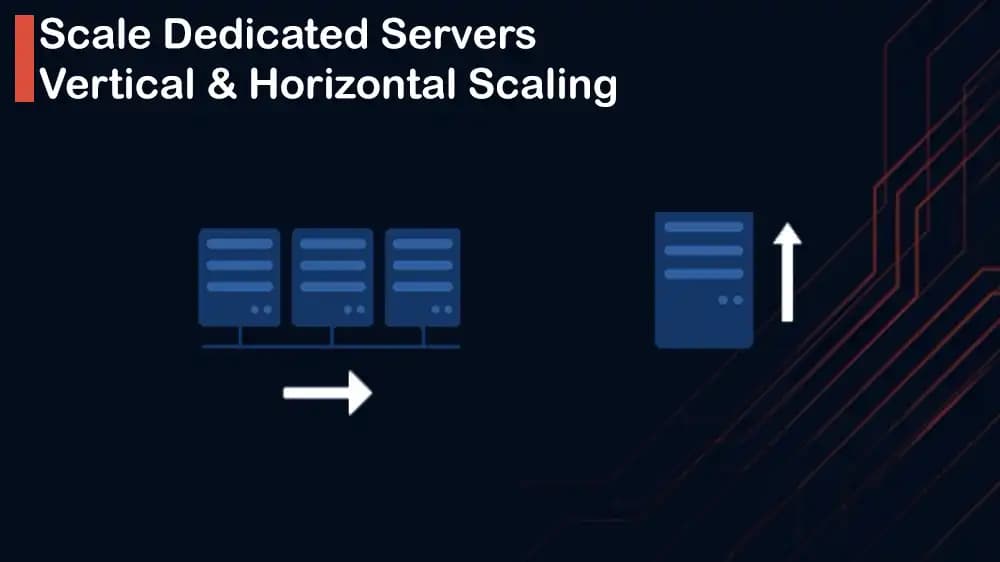
Scaling means increasing capacity when a project needs more resources. This can mean adding CPU, RAM, storage, bandwidth, or GPU power. It can also mean adding more servers and sharing traffic between them.
The tutorials will explain two common ways to scale.
- Vertical scaling means upgrading one server with more powerful hardware. This is often the simplest choice for a growing website, application, database, or game server.
- Horizontal scaling means running multiple servers and spreading work between them. This can improve reliability and help services handle larger traffic levels.
For example, an application may begin on a single VPS. As traffic grows, you might first upgrade its RAM and CPU. Later, you could move the database to a separate server, add a load balancer, and run multiple application servers.
PerLod offers VPS, dedicated servers, and GPU servers, so users can move from smaller virtual servers to more powerful hardware as their workload changes. Its dedicated-server plans include options with high core counts, large memory, and NVMe storage, while hardware and bandwidth upgrades can be requested through the client panel or support.
Plan for Long-Term Growth
Scaling should be planned before users notice slowdowns. This category helps you estimate future needs based on traffic, application type, data growth, and expected demand.
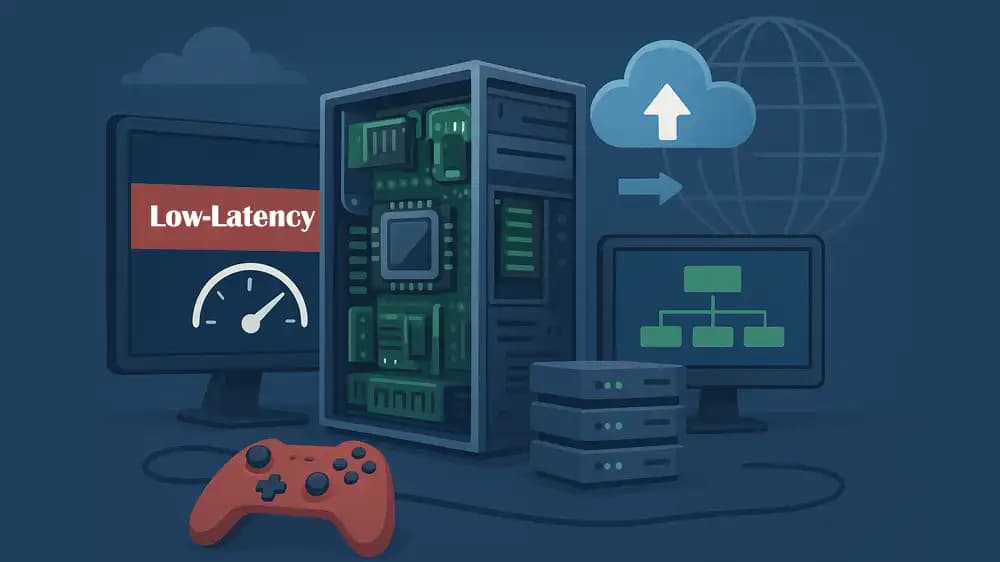
You will learn how to select the right server size, choose a location close to your users, create a safe upgrade plan, and prepare backups before making major infrastructure changes. PerLod operates across more than 15 locations with high-bandwidth networks, helping users place workloads closer to their audience when low latency matters.
The goal of Performance & Scaling Tutorials is to help you build infrastructure that stays fast today and can grow without unnecessary downtime, wasted resources, or confusing upgrades.