Server Setup & Administration is a tutorial category for anyone who wants to set up, manage, and maintain a VPS, dedicated server, or cloud server.
A new server gives you a clean system and full control, but it also needs proper setup before you run websites, applications, databases, containers, or private services. Basic tasks such as updating the operating system, creating user accounts, setting firewall rules, managing storage, and monitoring resources are important for every server.
This category provides clear guides for the full server administration process. It is useful for beginners starting with their first Linux VPS, developers deploying applications, businesses managing online services, and system administrators working with larger infrastructure.
The tutorials focus on practical tasks that help you build a server that is secure, stable, and ready for daily use.
What You Will Learn
The guides in this category explain the important steps to take after receiving a new server. You will learn how to connect through SSH, update the operating system, install required packages, create safe user accounts, and configure basic security settings.
You will also learn how to manage a server over time. Server administration is not a one-time job. Software needs updates, storage fills up, logs grow, applications need restarts, and performance must be checked regularly.
The tutorials will cover topics such as:
-
Connecting to a server with SSH
-
Updating Ubuntu, Debian, AlmaLinux, and other Linux systems
-
Creating users and granting safe sudo access
-
Managing SSH keys and remote access
-
Configuring hostnames, time zones, and system settings
-
Installing packages and managing software repositories
-
Using systemctl to start, stop, enable, and check services
-
Managing disks, partitions, file systems, and mount points
-
Creating swap space and checking memory use
-
Setting up scheduled tasks with cron and system timers
-
Reading logs and finding system errors
-
Monitoring CPU, RAM, disk space, and network use
-
Creating backups and preparing for recovery
-
Rebooting, updating, and maintaining servers safely
PerLod Linux VPS plans provide full root access, so you can install software, change system settings, and manage services based on your own requirements.
Prepare a New Server
The first few steps after server deployment are important. Before installing an application, you should update the system and check that basic access works correctly.
A typical first-time setup may include logging in through SSH, running the system update, setting a hostname, choosing the correct time zone, creating a non-root user, and configuring a firewall. You may then install basic tools such as curl, wget, git, nano, ufw, and htop.
For example, a clean Ubuntu server should normally be updated before running other services. This helps apply the latest package fixes and reduces the chance of using old software. After that, you can create a separate user with sudo access for daily administration instead of always using the root account.
The tutorials will guide you through these tasks in the right order, with simple commands and explanations of what each change does.
Manage Access and Services
Server administration includes managing both people and processes. You need to control who can log in, what they can change, and which services start automatically.
This category will show you how to create users, manage groups, set file permissions, and remove access when it is no longer needed. You will learn the difference between root access and sudo access, and why separate accounts are safer for daily work.
You will also learn how to manage background services with systemctl. For example, you may need to start Nginx, restart Docker after changing a configuration, check whether a database is running, or enable a service so it starts automatically after a reboot.
A server may host several services at the same time. Learning how to check their status, read their logs, and restart them safely helps you solve problems quickly without causing unnecessary downtime.
Manage Storage and Backups
Storage management is another key part of administration. A server can fail when its disk becomes full, even if CPU and RAM are still available. Logs, databases, container images, backups, temporary files, and user uploads can all use more space over time.
The tutorials in this category will explain how to check disk use, remove unneeded files, manage mounted storage, and expand capacity when needed. You may learn how to use tools such as df, du, lsblk, and find to understand where storage is being used.
Some guides will also cover disk encryption, secure mount settings, and backup planning. For example, PerLod’s LUKS storage-encryption guide shows how to protect a storage volume with a keyfile, safe permissions, /etc/crypttab, and /etc/fstab configuration.
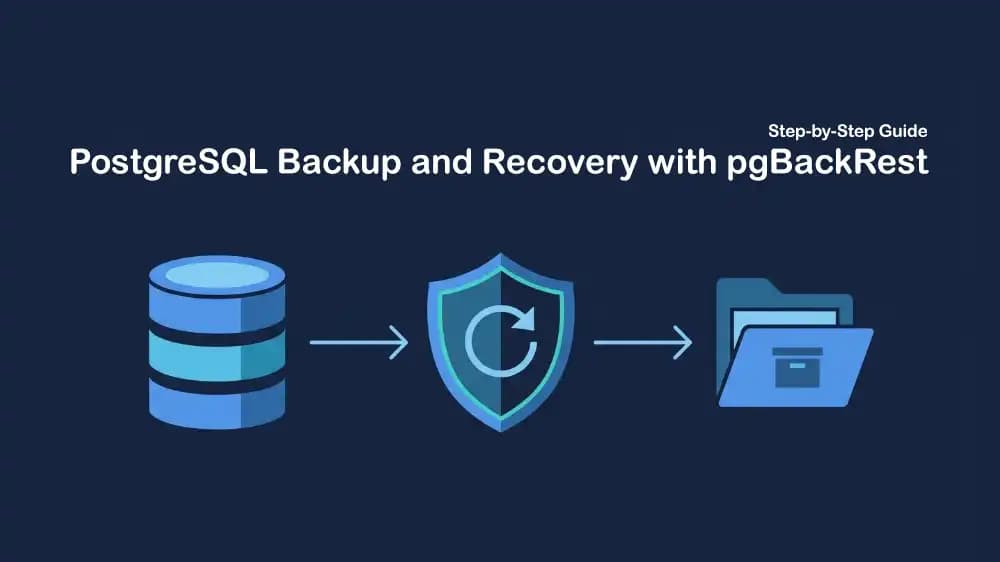
Backups are essential for websites, databases, configuration files, and application data. You will learn how to create automated backups and test recovery steps, so you are prepared if a server problem, bad update, or accidental deletion occurs.
Monitor and Maintain Your Server
A well-managed server needs regular checks. Monitoring helps you find rising resource use, failed services, full disks, and network issues before users notice a problem.
This category includes guides for checking system load, memory use, disk space, open connections, and service logs. You will learn how to use tools such as top, htop, free, df, journalctl, and uptime to understand server health.
You also learn how to install monitoring tools and create alerts for high CPU use, low disk space, service downtime, or failed backups. For example, a Uptime Kuma setup can monitor websites, APIs, ports, and server services, then send notifications when a monitored target goes offline.
Build a Reliable Server Foundation
Server Setup & Administration Tutorials give you the knowledge needed to manage infrastructure with confidence. The category begins with basic server access and setup, then moves into users, services, storage, backups, monitoring, and routine maintenance.
Whether you are preparing a small VPS for a personal project or managing a dedicated server for a business application, these tutorials help you create a secure, organized, and reliable foundation for everything you run.