Server Applications & Stacks is a tutorial category for people who want to install, configure, and manage software on VPS, dedicated, and cloud servers.
A server is more than hardware. It becomes useful when you install the applications that power websites, APIs, databases, dashboards, automation tools, file storage, monitoring systems, and internal business services. A group of applications and services that work together is often called a stack.
For example, a simple website stack may include Linux as the operating system, Nginx as the web server, PHP or Node.js as the application runtime, and MySQL or PostgreSQL as the database. A modern self-hosted stack may use Docker, a reverse proxy, a database, Redis, and one or more application containers.
This category helps you understand how these parts fit together. The tutorials use practical steps, so you can move from a clean server to a working and secure application setup.
It is useful for beginners deploying their first service, developers building applications, businesses running private tools, and system administrators managing multiple servers.
What You Will Learn
The guides in this category cover popular server applications and the tools needed to run them properly. You will learn how to prepare a Linux server, install required packages, configure services, connect a domain name, secure public access, and keep the application running.
You will find tutorials related to:
-
Docker and Docker Compose deployments
-
Nginx, Apache, Caddy, and reverse proxies
-
Node.js, Python, PHP, Laravel, Django, and other runtimes
-
MySQL, MariaDB, PostgreSQL, Redis, and other data services
-
WordPress and other content platforms
-
Git, CI/CD tools, and application deployment workflows
-
Monitoring, logging, and status tools
-
File storage, backup, and sharing applications
-
Authentication, single sign-on, and access management tools
-
Self-hosted dashboards and internal business applications
PerLod Linux VPS plans provide full root access and support software such as Docker, Kubernetes, Apache, PHP, Python, Node.js, Django, and Laravel. This gives you the flexibility to install and manage the stack that fits your project.
Build With Docker
Docker is one of the main topics in this category. Docker lets you run applications in containers, which package the application and its required software together. This makes deployment easier and helps keep services separate from each other.
You will learn how to install Docker and Docker Compose, create a project folder, use a docker-compose.yml file, manage container networks, store data safely with volumes, and update containers without losing important data.
For example, a self-hosted application may need several containers, including one for the web application, one for a database, one for Redis, and one for background workers. Docker Compose can start and manage these services together with a single configuration file.
The tutorials will also explain how to read container logs, restart failed services, limit CPU and RAM use, set environment variables, and apply updates safely. These steps are important for keeping applications reliable over time.
Set Up Web Applications
Many applications need to be available through a domain name. This category includes guides for connecting domains to servers, setting up DNS records, configuring reverse proxies, and enabling HTTPS certificates.
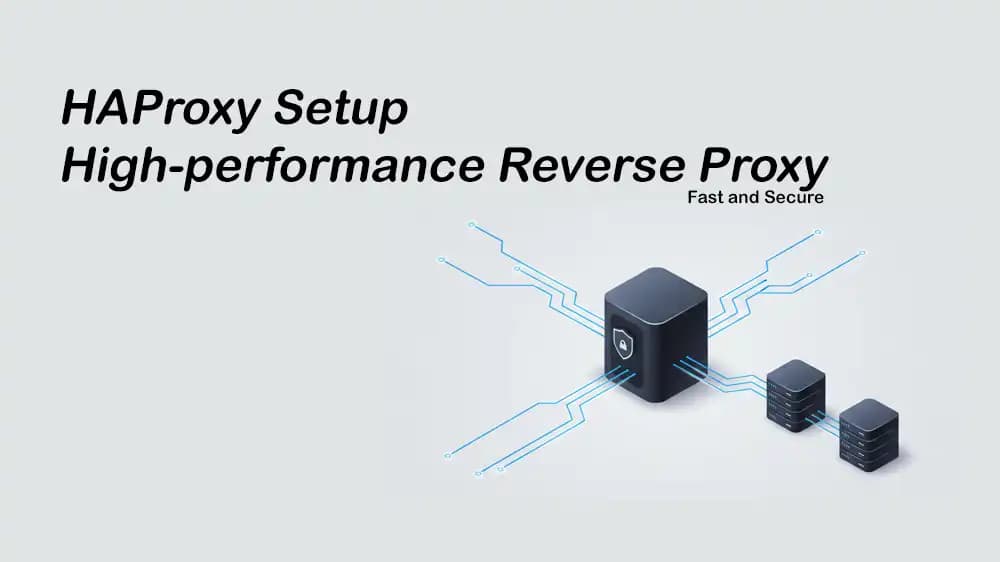
A reverse proxy, such as Nginx or Caddy, receives traffic from visitors and passes it to the correct application. It can also handle SSL certificates, redirects, rate limits, and basic security headers. This allows several applications to run on one server using different subdomains, such as app.example.com, status.example.com, and files.example.com.
You will learn how to create secure web-server configurations, test them before applying changes, and renew SSL certificates automatically. Some guides also cover load balancing and proxy settings for applications that run across multiple servers.
Run Databases and Storage Services
Most useful applications need a database. Databases store user accounts, posts, application settings, orders, logs, and other important information. This category will help you install and manage common choices such as MySQL, MariaDB, PostgreSQL, and Redis.
You will learn how to create databases and users, set safe passwords, restrict network access, back up data, and restore it when needed. The guides will also explain why databases should usually stay private instead of being exposed directly to the public internet.
Storage services are another important part of a stack. Tutorials cover file-sharing tools, object storage, backup tools, media servers, and methods for attaching or managing server storage.
PerLod also offers high-storage VPS options for file-heavy applications, backups, and data services.
Secure and Maintain Your Stack
Installing an application is only the beginning. You also need to secure it, monitor it, and keep it updated.
This category includes best practices for creating firewall rules, using HTTPS, protecting admin panels, managing application secrets, and setting up backups. You will learn how to keep data outside of containers, so important files remain safe during an update or rebuild.
For example, PerLod’s Authentik Docker Compose guide shows a complete self-hosted authentication setup with Docker, PostgreSQL, Redis, Nginx, SSL certificates, and OAuth or OpenID Connect support for other applications.
Other tutorials explain how to check service status, read logs, monitor resource usage, manage upgrades, and troubleshoot common issues such as failed containers, permission errors, database connection problems, and reverse-proxy errors.
Build Useful Server Services
Server Applications & Stacks Tutorials help you turn a server into a useful platform for your work. Instead of only learning individual commands, you will understand how applications, databases, containers, domains, storage, and security settings work together.
Whether you want to host a small website, deploy a private dashboard, run a Docker-based application, create an internal tool, or build a full production stack, this category gives you clear guides to install, manage, and maintain your services with confidence.