Tutorials
In-depth technical tutorials, guides, and infrastructure best practices.

Crypto Payments for Hosting: Real Benefits and Risks
Crypto payments can lower fees and help global customers pay for hosting. The risks are price changes, wrong wallet addresses, and refunds that must be handled manually.
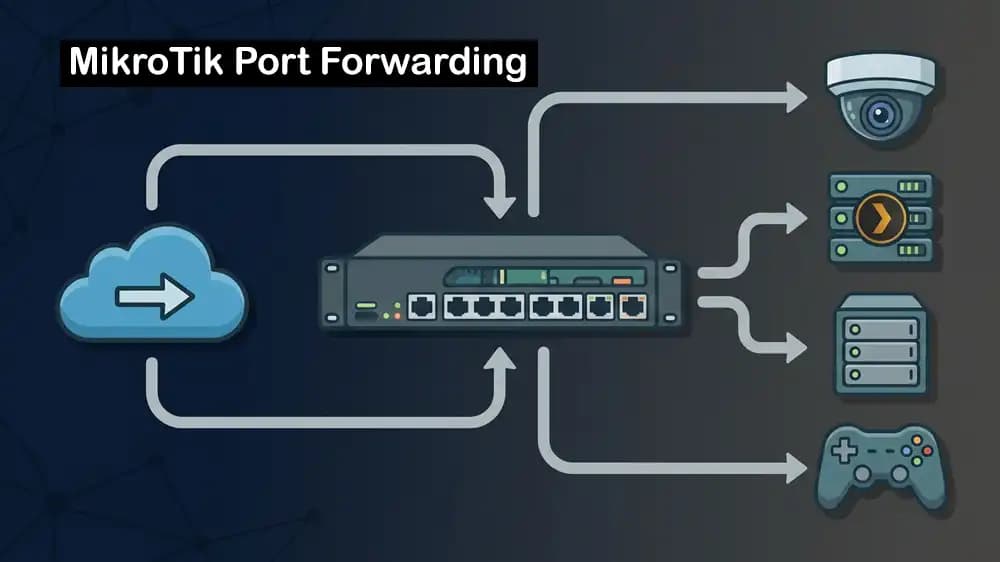
How to Port Forward on MikroTik for CCTV, Plex, NAS, and Game Servers
Port forwarding sends internet traffic to a device on your local network. Use a dst-nat rule, allow only needed ports, and secure every exposed service.
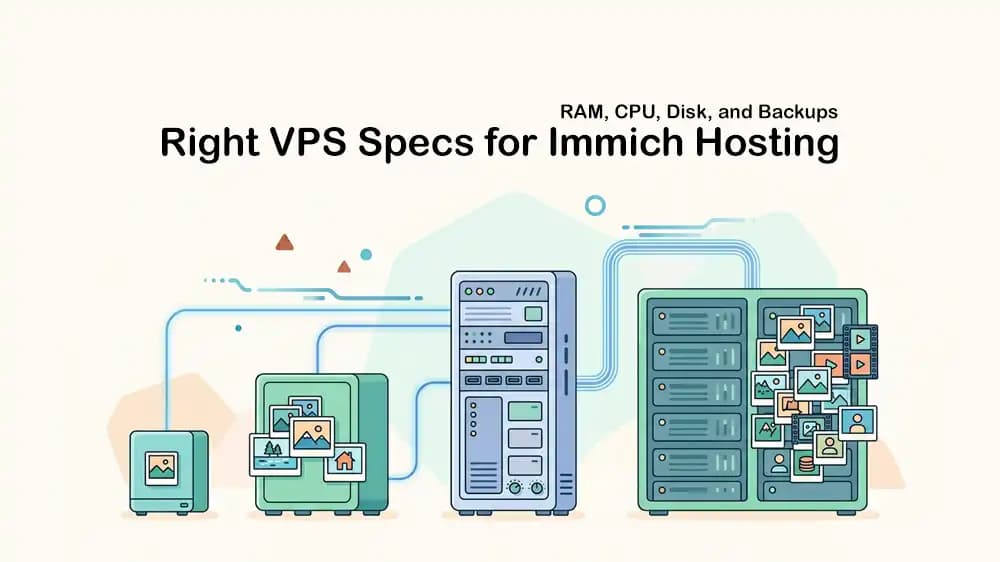
VPS Requirements for Immich Photo and Video Libraries
For Immich, choose a VPS with at least 4 CPU cores, 8 GB RAM, and enough storage for your library plus thumbnails. Keep the database on a fast local SSD or NVMe storage.
Build Your Own S3-Compatible Object Storage on Bare Metal with MinIO
Deploy MinIO on bare metal to create private, high-performance S3-compatible storage using your own disks and infrastructure.

Plausible vs Umami vs Matomo: Which Self-Hosted Analytics Stack Should You Run?
Choose Umami for a simple setup, Plausible for privacy-first reports, or Matomo for deeper tracking. Run the one that matches your data needs and server resources.
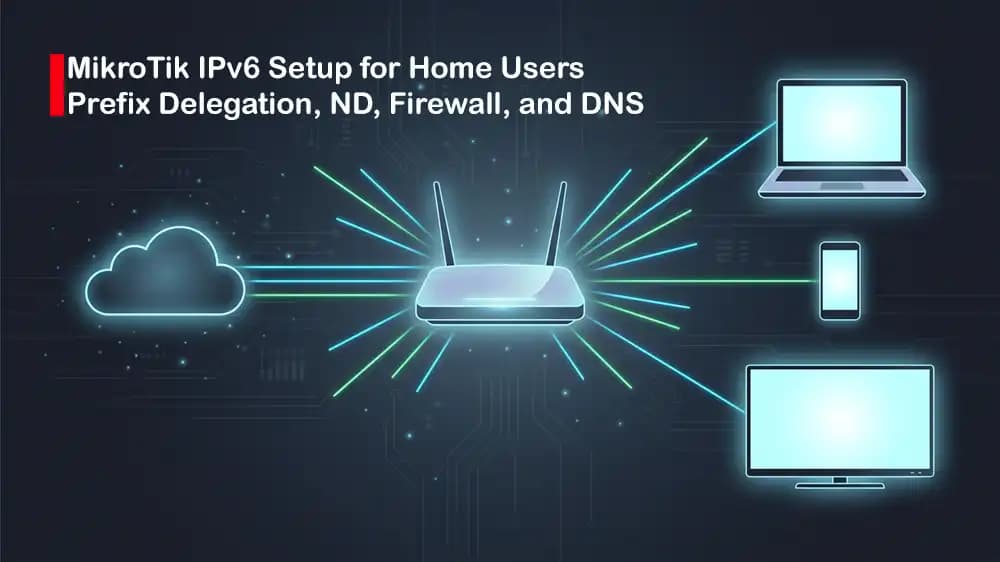
MikroTik IPv6 Setup for Home Internet: Prefix Delegation, Firewall, and DNS
Request an IPv6 prefix from your ISP, assign it to your home network, and advertise it to devices. Allow ICMPv6, block unwanted WAN traffic, and share DNS through router advertisements.

Sizing Guide and Hardware Needs for Self-Hosting Supabase
tart Supabase with 4 CPU cores, 8 GB RAM, and fast SSD storage. Increase resources as database traffic, file storage, and user activity grow.

How to Set Up MikroTik DDNS for Home Internet Without a Static IP
MikroTik DDNS gives your changing home IP a fixed hostname. Enable IP Cloud, then use the DNS name for remote access or VPN.

Find the Best Vector Database for RAG: pgvector vs Qdrant vs Weaviate vs Milvus
Use pgvector for simple RAG in PostgreSQL, Qdrant for fast filtered search, and Weaviate or Milvus for larger AI workloads. Pick the tool that fits your scale and setup.
Activepieces vs Windmill vs Kestra vs Node-RED: Self-hosted n8n Alternatives
Activepieces is simple for no-code flows, Windmill suits code-based automation, Kestra handles data workflows, and Node-RED is useful for IoT. Choose the tool that fits your work.
How to Self-Host Langfuse on a VPS for LLM Tracing, Metrics, and Evals
Self-host Langfuse to track LLM calls, cost, speed, and output quality on your own VPS. Use Docker, secure the dashboard with HTTPS, and back up its data regularly.
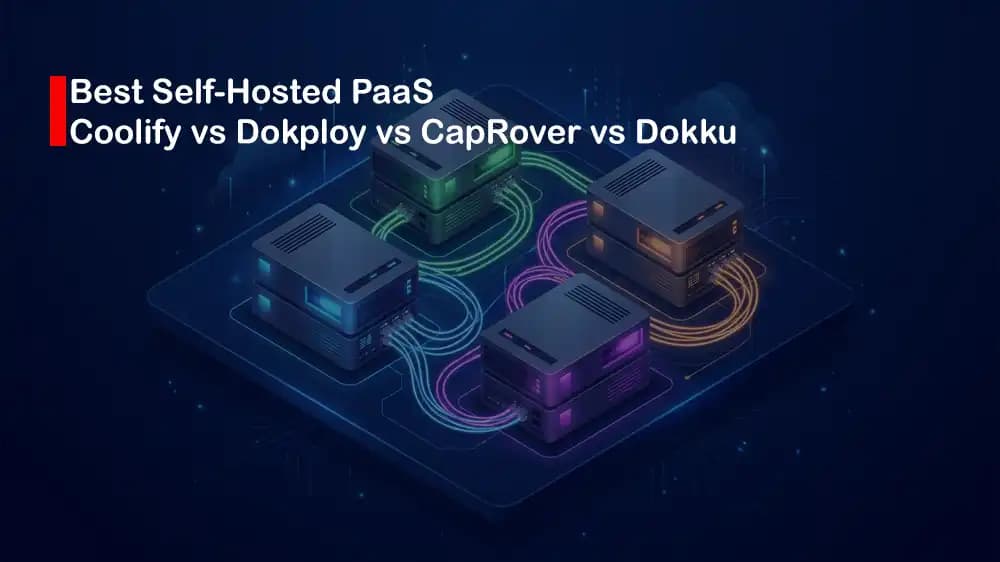
Coolify vs Dokploy vs CapRover vs Dokku: The Best Self-Hosted PaaS
Coolify suits teams that want a full web dashboard, while Dokploy is a strong Docker-first option. CapRover and Dokku are better for simpler, developer-led deployments.